

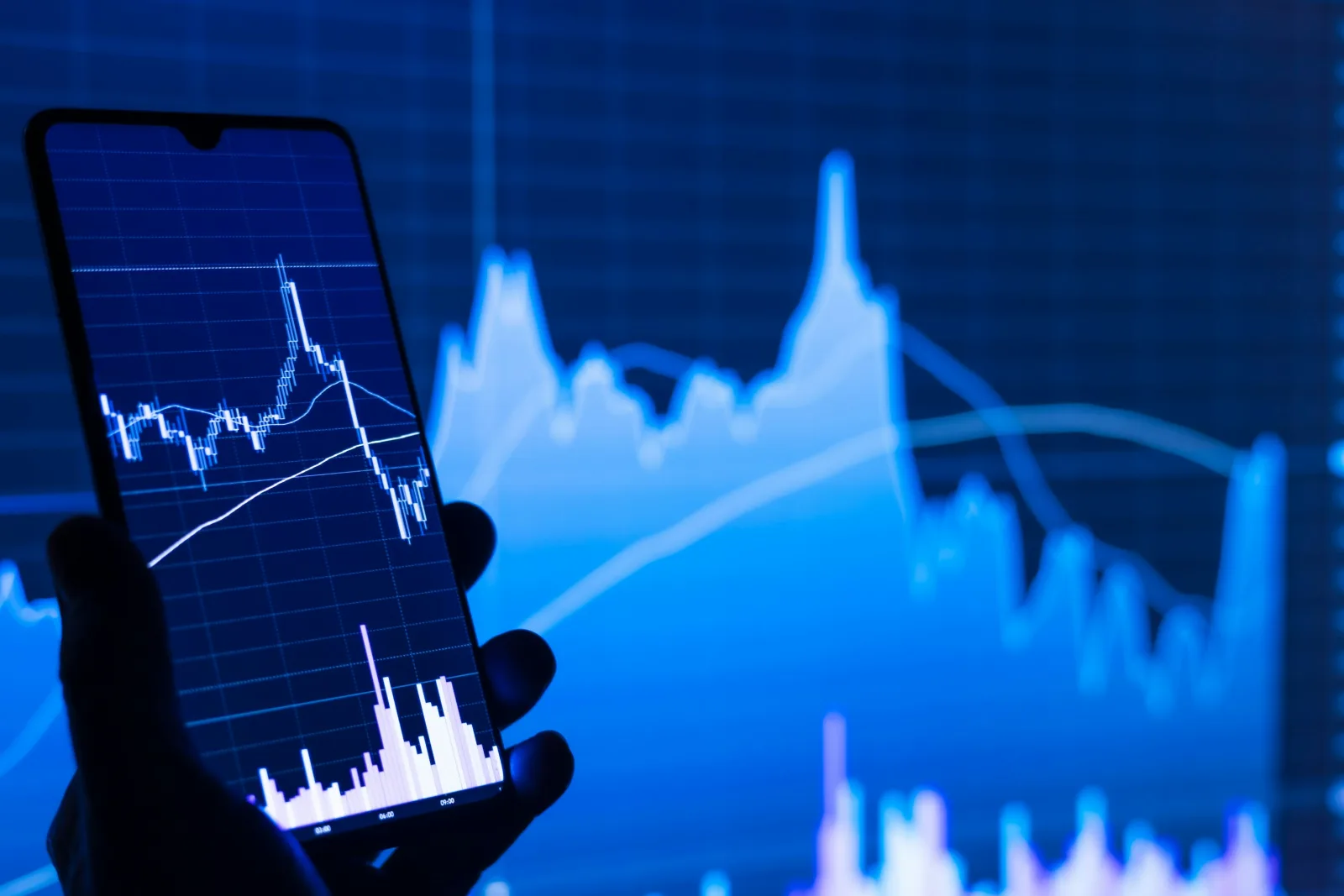
The landscape of mobile financial trading has shifted dramatically. Market participants no longer rely exclusively on desktop terminals; modern day traders and algorithmic investors frequently execute high-stakes orders directly from smartphones while on the move. However, real-time charting platforms, live order books, and multi-asset tracking demand immense processing power. A fraction-of-a-second lag caused by thermal throttling or insufficient RAM can turn a profitable entry into a severe slippage loss. Understanding the core hardware specifications required for seamless mobile trading is no longer optional—it is a critical risk-management tool.
1. High-Performance Processing Power (CPU and GPU)
Executing technical indicators, processing tick-by-tick data feeds, and running multiple broker applications simultaneously place a heavy burden on a smartphone's central and graphics processing units.
- Modern mobile traders should prioritize devices equipped with advanced flagship processors, such as recent-generation silicon featuring high clock speeds and multi-core efficiency.
- A robust CPU ensures that heavy charting platforms load historical data instantly without freezing during high-volatility news events like Non-Farm Payrolls (NFP) releases or interest rate announcements.
- Furthermore, an integrated, high-tier GPU helps render complex multi-timeframe charts smoothly at high refresh rates, preventing visual stutter when zooming into micro-movements on currency or commodity pairs.
Read Also: US Dollar Strengthens, Yet Bitcoin Rises in September: Unpacking the Decoupling Trend
2. Sufficient Memory (RAM) and Storage Technology
Multitasking is a fundamental habit for active traders who frequently switch between news aggregators, messaging channels, broker applications, and portfolio trackers.
- Devices with inadequate Random Access Memory (RAM)—such as anything under 8GB—will aggressively force background apps to close, risking accidental logouts or delayed order confirmations.
- Opting for 12GB to 16GB of LPDDR5X RAM ensures that trading apps remain active in the background, allowing for instantaneous switching during volatile market swings.
- Additionally, utilizing fast UFS storage technology accelerates app launch speeds and local data caching, ensuring critical trading platforms open within milliseconds of activation.
3. Display Quality and High Refresh Rates
A trader's primary interface is the smartphone screen; therefore, panel quality directly impacts decision accuracy.
- High-resolution OLED or AMOLED displays are essential for crisp text rendering, deep contrast ratios, and clear distinction between intricate candlestick patterns across varying lighting conditions.
- Devices featuring a 120Hz refresh rate provide buttery-smooth scrolling through order books and technical indicator panels, reducing eye fatigue during extended monitoring sessions.
- Screen real estate and aspect ratios optimized for vertical clarity also allow traders to view comprehensive depth-of-market metrics without constantly scrolling.
4. Reliable Connectivity and Thermal Management
Hardware capabilities are rendered useless if the device cannot maintain stable data transmission and peak performance under load.
- Advanced 5G modem integration and Wi-Fi 7 compatibility are vital to minimize network latency when communicating with remote broker servers.
- Effective thermal management—such as vapor chamber cooling systems—prevents the processor from throttling down its speed during prolonged market tracking or automated algorithmic monitoring sessions.
- Long-term battery efficiency combined with fast-charging capabilities ensures the device remains operational during extended trading windows.
Conclusion
Real-time financial trading demands hardware that matches the fast-paced nature of global markets. By prioritizing powerful multi-core processors, ample RAM, fluid high-refresh displays, and robust connectivity, traders can mitigate technical risks and execute strategies with confidence. Investing in the right mobile device safeguards against execution errors and provides a reliable mobile command center for modern financial markets.
Sources:
- Global Mobile Hardware Benchmarks and Semiconductor Industry Reports
- Financial Technology Infrastructure and Mobile Trading Terminal Standards (2026)
About the Author / RuangTekno:
RuangTekno is a trusted news portal covering the latest in technology developments, gadget tips, and the digital world. Interested in collaborating, promoting your product, or placing a sponsored post on our site? Contact us via Email at [asalchannel08@gmail.com] or WhatsApp at [+6285178987249].
Tags: Mobile Trading Fintech Hardware Day Trading Smartphone Specs Trading Technology Mobile Processors


Komentar 0
Belum ada komentar. Jadilah yang pertama berkomentar!