

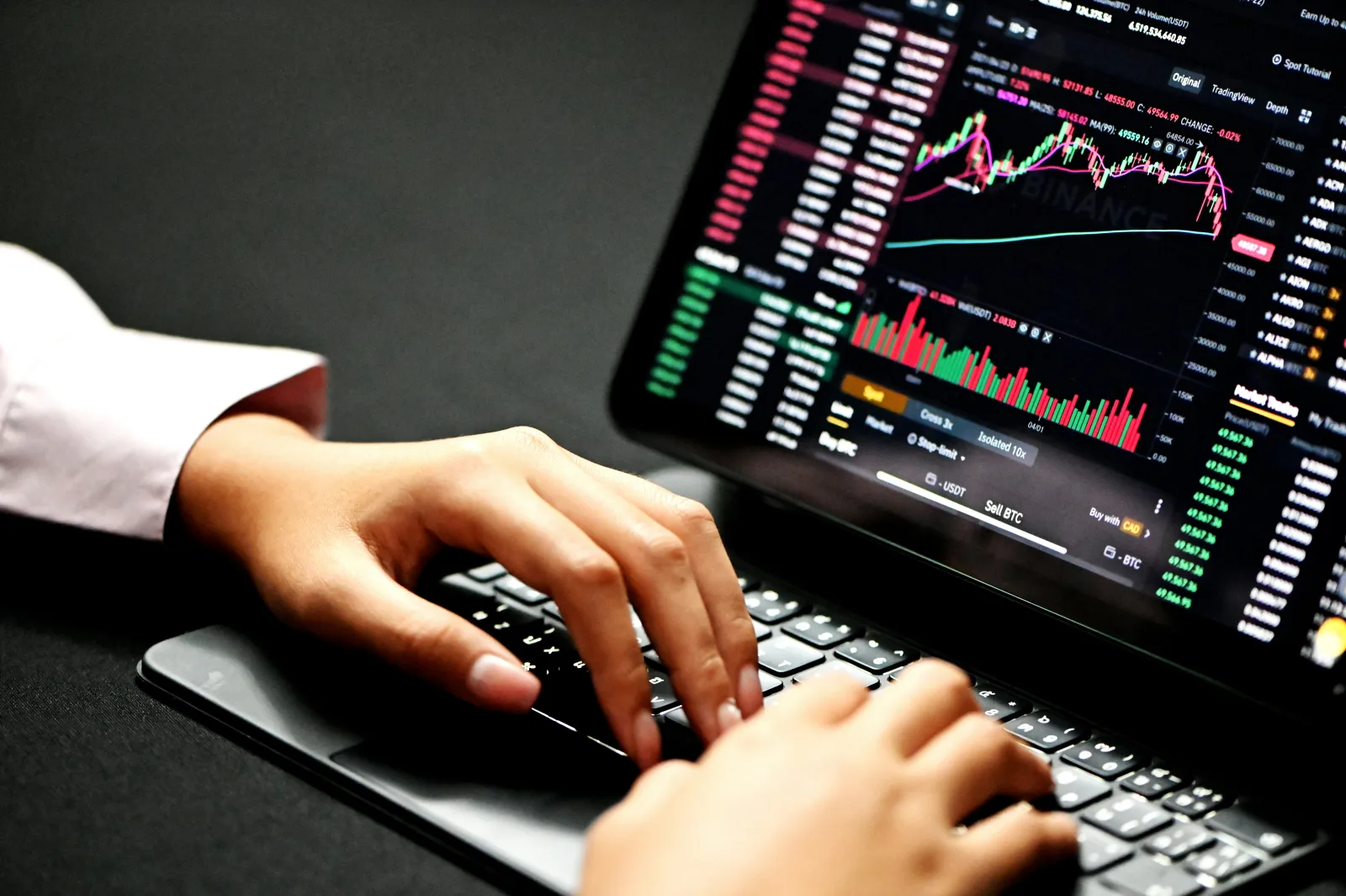
In the fast-paced world of day trading, milliseconds and clear data visualization can mean the difference between a profitable position and a missed opportunity. As financial markets grow increasingly complex and volatile, professional and retail traders alike are upgrading their hardware setups. Modern day trading requires more than just a standard laptop; it demands reliable multi-display configurations, robust processing power, and specialized input devices tailored for rapid execution. The hardware tools trending in 2026 focus heavily on reducing physical strain, eliminating system lag, and maximizing workspace efficiency for high-frequency decision-making.
1. High-Refresh-Rate Ultra-Wide and Multi-Monitor Arrays
For day traders, screen real estate is one of the most critical assets. Being able to monitor multiple charts, live order books, financial news feeds, and algorithmic indicators simultaneously is non-negotiable. In 2026, ultra-wide curved monitors with high refresh rates (144Hz and above) have become the gold standard, offering seamless side-by-side window snapping without distracting bezels. These displays provide crisp text rendering and fluid chart scrolling, reducing eye fatigue during long trading sessions and ensuring that rapidly shifting market data is perceived without motion blur.
2. Specialized Macro Keyboards and Stream Controllers
Executing trades swiftly requires eliminating reliance on standard mouse clicks for complex, repetitive actions. Many active traders now incorporate programmable macro keypads—originally popularized by content creators—into their setups. These customizable physical interfaces allow traders to assign single-button shortcuts for opening positions, scaling out of trades, modifying stop-loss orders, or instantly switching between different workspace layouts. This tactile precision minimizes human error under high-pressure market conditions.
3. Enterprise-Grade Backup Power Solutions (UPS)
A sudden power outage or internet fluctuation during a live trading session can lead to catastrophic financial losses if a position cannot be closed. Consequently, high-capacity Uninterruptible Power Supply (UPS) units have become an essential piece of hardware for home-based day traders. Modern units offer clean surge protection, automatic voltage regulation, and enough battery backup time to safely execute emergency orders and shut down systems properly during unexpected grid failures.
4. High-Performance Workstations with Low-Latency Connectivity
Trading software, heavy charting platforms like TradingView or MetaTrader, and live data feeds demand substantial computing power. Traders are heavily investing in desktop workstations or advanced laptops featuring powerful multi-core processors and robust cooling systems to prevent thermal throttling. Furthermore, pairing these machines with enterprise-grade Wi-Fi 7 routers or direct wired ethernet connections ensures ultra-low latency, minimizing slippage when placing market orders.
Conclusion
Day trading in 2026 requires a high-performance ecosystem where hardware reliability directly supports financial strategy. By investing in expansive high-refresh displays, tactile macro controllers, stable power backups, and low-latency workstations, traders can build a resilient environment designed for precision and speed. Equipping your workspace with the right tools ensures you stay focused on the charts rather than technical bottlenecks.
Sources
- Global Financial Technology and Trading Hardware Reports
- Professional Trader Workspace Optimization Studies
- Consumer Electronics and Productivity Hardware Market Analysis


Komentar 0
Belum ada komentar. Jadilah yang pertama berkomentar!