

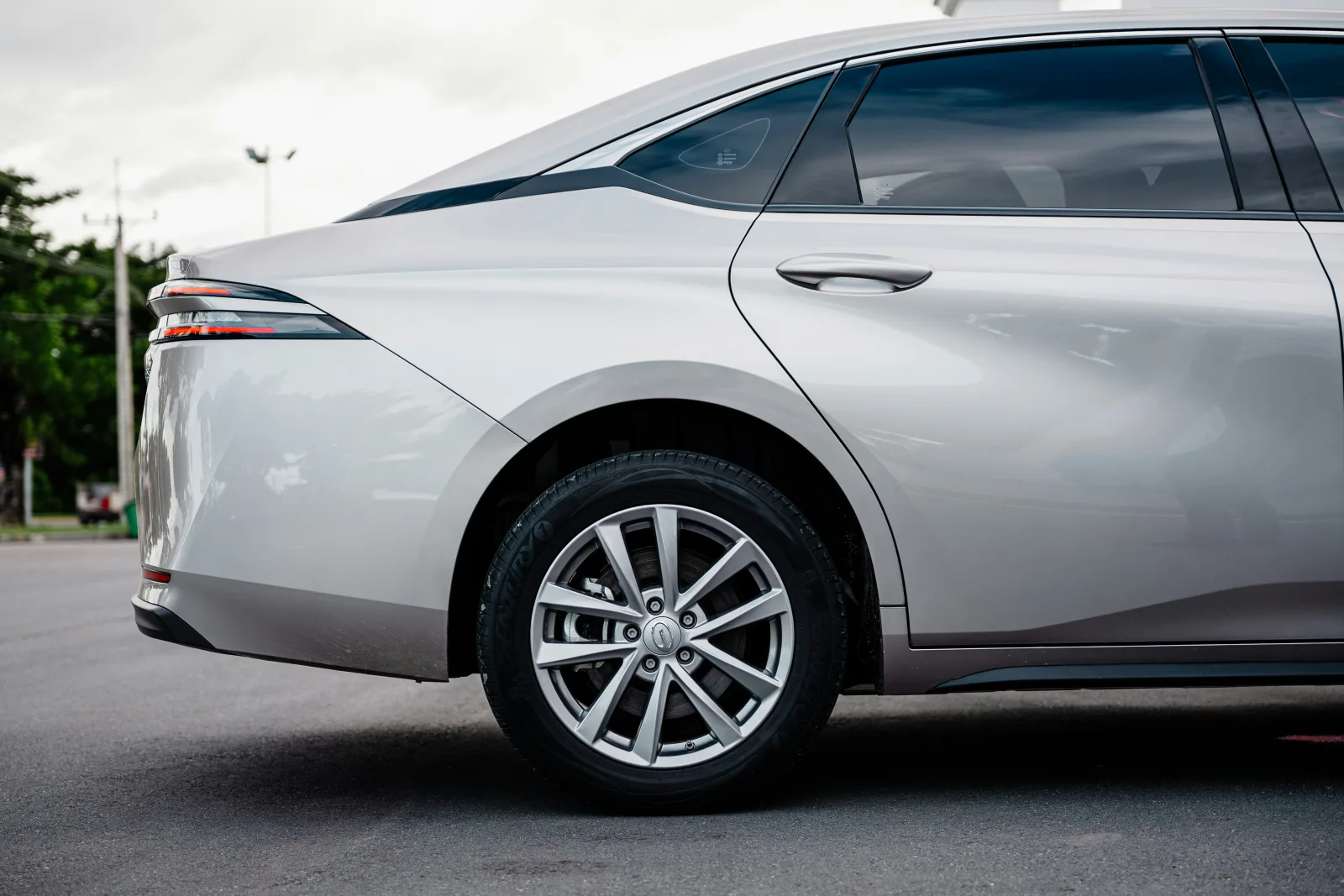
The global automotive sector is undergoing a significant transformation in its path toward sustainable mobility. While full battery-electric vehicles (BEVs) continue to expand their footprint, gasoline-electric hybrid SUVs and crossovers have emerged as the fastest-growing segment across major markets in 2026. Combining internal combustion reliability with electric motor efficiency, hybrid powertrains effectively bridge the gap for drivers seeking reduced fuel consumption without range constraints or charging infrastructure dependencies.
1. Consumer Value and the Shift in Electrification Preferences
In recent years, consumer priorities have shifted toward pragmatic utility and financial efficiency. Market research indicates that consideration for hybrid vehicles significantly outpaces pure EVs in key regions, particularly within the non-luxury SUV and crossover segments:
- Elimination of Range Anxiety: Traditional hybrid electric vehicles (HEVs) recharge their internal batteries through regenerative braking and engine operation, making long-distance travel seamless without requiring public charging stations.
- Price Parity Advantages: Compared to fully electric SUVs, hybrid counterparts typically carry lower upfront purchase prices and lower insurance premiums, lowering the total cost of ownership.
- Flexible Operating Modes: Plug-in hybrid electric vehicles (PHEVs) offer 30 to 60 miles of pure electric driving for daily urban commutes, while relying on gasoline power for extended highway trips.
2. Technological Advancements in Hybrid Powertrains
Modern hybrid powertrains bear little resemblance to early low-power iterations. Technological innovations have enhanced both overall performance and thermal efficiency:
System TypeTechnical MechanismPrimary Consumer BenefitFull Hybrid (HEV)Parallel/Series motor integration with automatic power splitting.High city MPG, instant low-speed torque, no plug required.Plug-in Hybrid (PHEV)Larger battery packs paired with onboard charging ports.Zero-tailpipe urban driving with long-range gasoline backup.48-Volt Mild Hybrid (MHEV)Starter-generator assisting the internal combustion engine.Cost-effective fuel savings (8–12%) and smoother stop-start operation.
Furthermore, the integration of predictive AI energy management systems now allows modern hybrid crossovers to optimize fuel and battery usage based on real-time traffic conditions and route topography.
3. SUV and Crossover Packaging Dominance
The convergence of hybrid technology with the SUV and crossover body style satisfies core consumer preferences for interior space, visibility, and versatile cargo capacity:
- Optimized Battery Placement: Advanced battery chemistry, including compact Lithium-Iron-Phosphate (LFP) packs, allows manufacturers to integrate batteries underneath the floor or rear seating without sacrificing cabin space or ground clearance.
- Electronic All-Wheel Drive (e-AWD): Many modern hybrid crossovers utilize a dedicated electric motor on the rear axle rather than a heavy, physical driveshaft, providing responsive all-weather traction while minimizing energy loss.
- Versatile Model Availability: Major automakers across North America, Europe, and Asia have expanded hybrid powertrains into compact, midsize, and three-row family SUVs to meet mass-market demand.
4. Economic Implications and Environmental Balance
From a macro perspective, the growing adoption of hybrid SUVs provides a practical path toward fleet carbon reduction. While pure zero-emission vehicles remain the long-term target, hybrid crossovers offer immediate fuel economy improvements—often between 30% and 50% over traditional internal combustion models—without overtaxing electrical power grids. For automotive manufacturers, hybrid lineups generate reliable margins and supply chain stability while meeting stringent global emissions standards.
Conclusion
Gasoline-electric hybrid SUVs and crossovers represent a practical, technologically mature solution in today’s automotive landscape. By offering high fuel efficiency, enhanced driving dynamics, and freedom from charging constraints, hybrid utility vehicles have firmly established themselves as more than just a transitional technology. As powertrains continue to evolve, hybrid crossovers will remain a central pillar of global mobility for years to come.
Sources & References:
- Global Automotive Market Reports & Hybrid Adoption Analytics (2025–2026)
- Kelley Blue Book (KBB) Consumer Consideration & Electrified Vehicle Studies
- International Energy Agency (IEA) Global EV & Hybrid Outlook





Komentar 0
Belum ada komentar. Jadilah yang pertama berkomentar!