

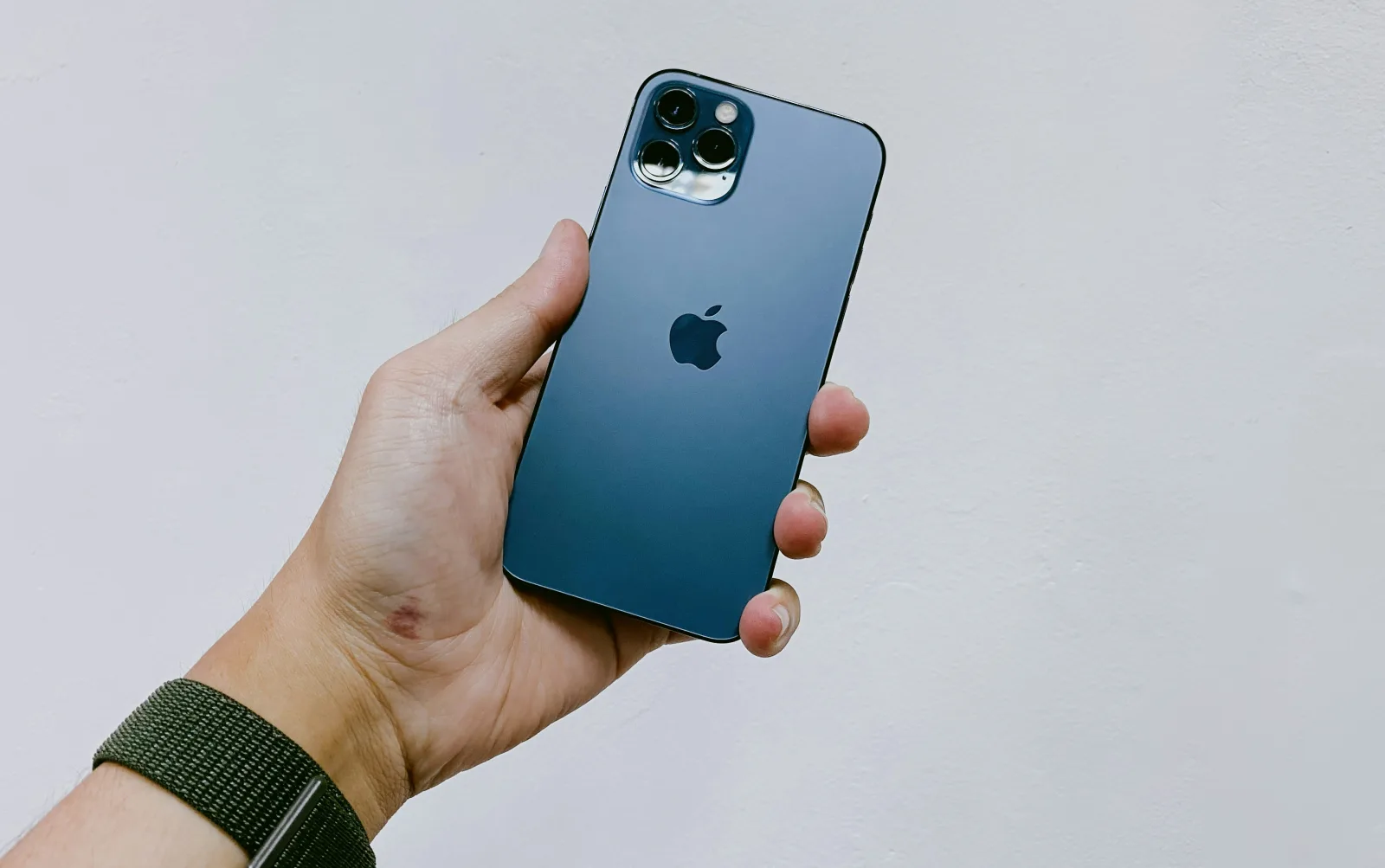
When Apple introduced the iPhone 12 series, it marked a pivotal design and technical shift for the brand: introducing flat aluminum edges, MagSafe magnetic charging, OLED displays across all models, and full 5G connectivity. Years after its initial debut, the iPhone 12 continues to circulate heavily in refurbished marketplaces, carrier trade-in programs, and budget-conscious buyer discussions.
However, technology moves fast. With newer generations offering substantial leaps in processing efficiency, camera capabilities, and battery endurance, everyday buyers face a critical question: Does the iPhone 12 still deliver a reliable, daily-driver experience, or are you better off stretching your budget for a newer model?
Hardware & Performance: How the A14 Bionic Holds Up Today
At the heart of the iPhone 12 is Apple’s A14 Bionic chip. Built on a 5-nanometer process, this silicon was groundbreaking at launch and continues to handle standard daily operations with surprising responsiveness.
- Daily Tasks & Multitasking: Navigating through iOS, switching between social media apps, web browsing, and streaming high-definition media remain smooth. The 4 GB of RAM is sufficient for standard multitasking, though power users may notice background apps reloading more frequently compared to newer models equipped with 6 GB or 8 GB.
- Gaming & Thermal Performance: While the A14 Bionic can run modern titles like Genshin Impact or Call of Duty: Mobile, sustained gaming sessions will cause the device to warm up. Under heavy continuous loads, thermal throttling kicks in to reduce heat, which leads to slight frame rate drops and screen dimming.
- 5G Connectivity: The iPhone 12 was Apple's first 5G phone, using Qualcomm's Snapdragon X55 modem. While functional, this first-generation 5G chip is less power-efficient than the modems found in the iPhone 13 and later, impacting battery life when connected to cellular networks.
Display, Camera System, and Battery Life Considerations
Evaluating an older smartphone requires looking closely at the hardware components that age fastest: the screen, the cameras, and the internal battery.
Display Quality
The 6.1-inch Super Retina XDR OLED panel remains one of the iPhone 12’s strongest features. Offering deep blacks, vibrant contrast, and sharp resolution ($2532 \times 1170$ at $460\text{ ppi}$), it provides a viewing experience almost identical to the standard iPhone 13 and iPhone 14 models. The primary limitation is its peak outdoor brightness ($800\text{ nits}$ HBM), which makes direct sunlight visibility slightly weaker than newer displays.
Camera Performance
The dual 12 MP camera setup (Wide and Ultra Wide) still captures excellent daylight photographs with natural colors and balanced dynamic range.
- Night Mode: Supported across all lenses, allowing decent low-light photography.
- Video Recording: Supports 4K Dolby Vision HDR up to 60 fps, providing video quality that outclasses many mid-range modern Android alternatives.
- Limitations: The lack of a dedicated telephoto lens limits zoom capabilities, and features like Cinematic Mode or Action Mode are absent.
Battery Health Warning
Battery endurance is the biggest trade-off on an iPhone 12. With a relatively small $2,815\text{ mAh}$ capacity out of the box, a brand-new iPhone 12 barely manages a full day of moderate use. When purchasing a refurbished or pre-owned unit, checking the Battery Health percentage is mandatory. If the maximum capacity is below 80%, a battery replacement will be necessary to maintain usable runtime.
iOS Support Window & Long-Term Viability
Apple is renowned for extended software support, but buying a device late in its lifecycle requires realistic expectations regarding software longevity.
+-------------------------------------------------------------+
| iPhone Generation | Launch Year | Estimated Final iOS Version|
+-------------------+-------------+---------------------------+
| iPhone 11         | 2019        | iOS 18 (2024–2025)        |
| iPhone 12         | 2020        | iOS 19 / 20 (2025–2026)   |
| iPhone 13         | 2021        | iOS 20 / 21 (2026–2027)   |
+-------------------------------------------------------------+
- Software Lifecycle: Historically, Apple provides 5 to 7 years of major iOS upgrades for flagship devices. The iPhone 12 is nearing the tail end of its primary feature update cycle, though critical security patches will likely continue for years after feature support ends.
- Apple Intelligence Compatibility: Advanced on-device AI features require hardware acceleration and higher RAM capacity not available on the A14 Bionic. If next-generation AI tools are a priority, the iPhone 12 will not support them.
Conclusion: Who Should Buy the iPhone 12?
The iPhone 12 remains a functional, well-designed smartphone, but it is no longer a universal recommendation.
Buy the iPhone 12 if:
- You are on a strict budget and need a reliable secondary device or a starter phone for a teenager.
- You can acquire a refurbished unit in mint condition (with high battery health) for a significantly lower price than an iPhone 13.
Skip the iPhone 12 if:
- You expect all-day battery life on 5G without needing a mid-day top-up.
- You want access to Apple's latest on-device AI features and multi-year iOS feature longevity.
For most buyers, paying a modest premium for a refurbished iPhone 13 delivers a noticeable leap in battery life, double the base storage (128 GB vs. 64 GB), and an additional year of software support, making it the better long-term value choice.
#iPhone12 #TechReview #AppleGuide #BudgetSmartphone #GadgetBuyingGuide
References & Context: Official technical specifications from Apple Support, benchmark data from Geekbench 6, and secondary market pricing aggregates.

Komentar 0
Belum ada komentar. Jadilah yang pertama berkomentar!