

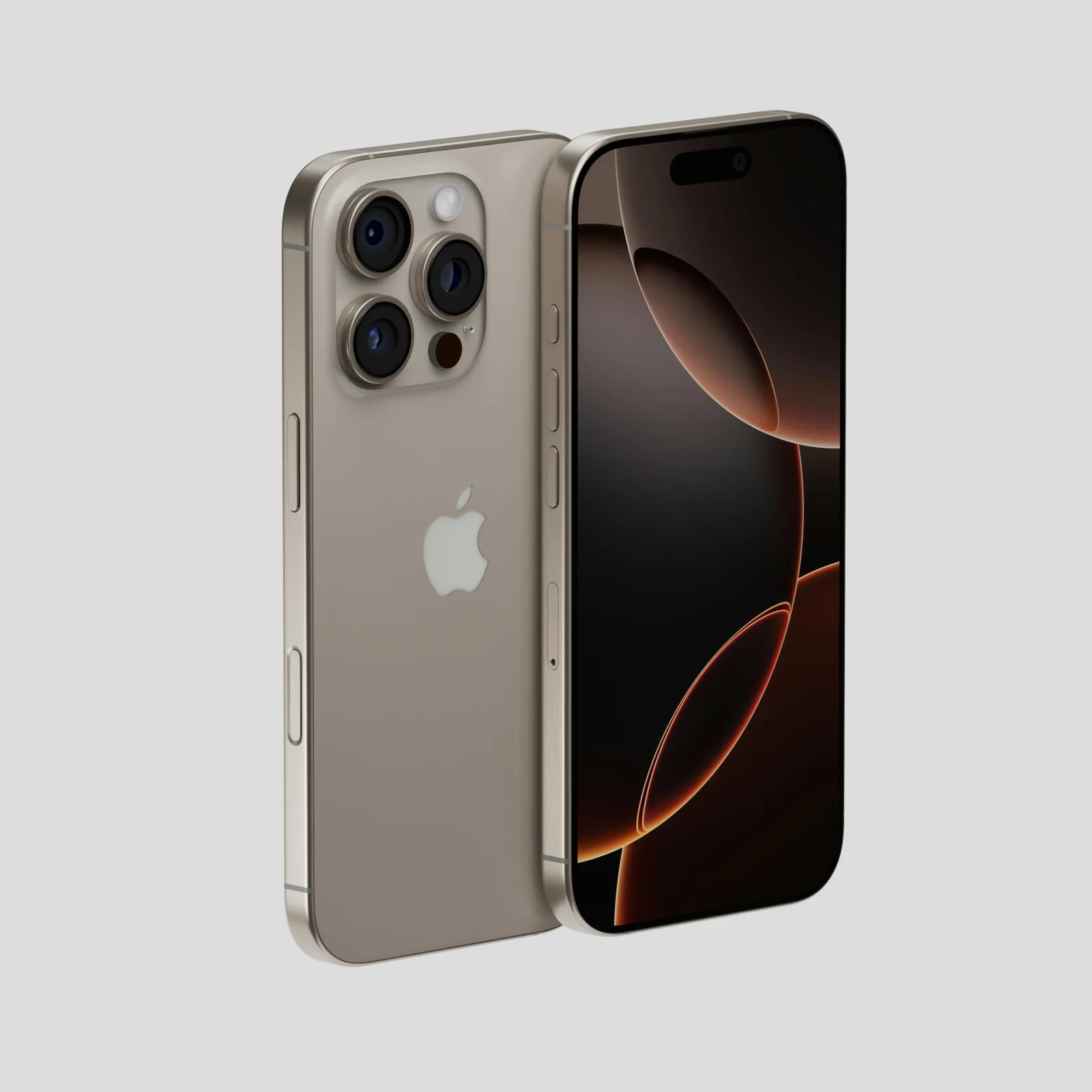
Every few years, the smartphone industry hits a design plateau where iterative updates—slightly faster processors, marginally brighter displays, and minor camera tweaks—fail to capture the public's imagination. As competitors refine their fourth and fifth generations of foldable and dual-screen devices, the tech community has turned its focus toward Cupertino. Dubbed informally by industry analysts as the iPhone Duo, Apple's potential entry into the dual-screen or foldable ecosystem represents more than just a new form factor. It signals a fundamental shift in how mobile operating systems manage screen real estate, professional workflows, and hardware durability.
The Vision Behind the iPhone Duo: Dual-Screen vs. Foldable Display
The term "iPhone Duo" generally refers to two distinct structural philosophies currently being tested within Apple’s research and development labs: a hinged dual-panel device or a continuous, flexible OLED display.
+-------------------+-------------------+
|                   |                   |
|                   |                   |
|     Display A     |     Display B     |
|   (Primary Task)  |  (Context / Tools)|
|                   |                   |
|                   |                   |
+-------------------+-------------------+
        ^                     ^
        +--- Hinge / Crease ---+
While competitors initially pushed flexible glass to its limits, early iterations were plagued by noticeable creases, fragile inner layers, and compromised dust resistance. Apple's approach, according to supply chain reports, prioritizes long-term structural integrity over being first to market:
- Zero-Crease Display Engineering: Apple has patented liquid-metal hinges and self-healing display coatings designed to eliminate the center indentation that affects traditional foldable panels.
- Dual-Panel Precision: Alternatively, a dual-screen design connected by a micro-gear hinge (similar to Microsoft's Surface Duo concept, but optimized with edge-to-edge micro-OLED technology) offers superior durability without sacrificing screen real estate.
- Thermal and Battery Distribution: Splitting the internal components across two distinct chasses allows for improved heat dissipation and dual-battery configurations, maximizing efficiency under heavy workloads.
Reimagining iOS: Multitasking, Continuity, and Dual-Screen Software
Hardware is only half the equation. The true potential of an iPhone Duo lies in how iOS adapts to dynamic display geometry. Current mobile operating systems often struggle to balance smartphone simplicity with desktop-class productivity.
Advanced Multitasking and Drag-and-Drop
With two active display zones, iOS could natively support true side-by-side app execution without cramped interface elements. Users could draft an email on one panel while referencing a spreadsheet on the other, or edit a 4K video timeline on the lower screen while monitoring real-time playback on the upper display.
Contextual Control Surfaces
Taking cues from the iPadOS Stage Manager and macOS workflows, the secondary screen could transform dynamically based on the active application:
- Pro Camera Mode: The top panel acts as a clean viewfinder, while the bottom panel houses manual ISO, shutter speed, and audio levels.
- Developer Workspaces: Code previews render on one screen while terminal windows or documentation remain visible on the second.
- Gaming Layouts: Dedicated virtual controls or inventory menus populate the lower screen, keeping the primary game window completely unobstructed.
Technical Challenges and Manufacturing Hurdles
Bringing a dual-screen or foldable iPhone to mass market poses formidable engineering hurdles. Apple’s stringent quality control standards mean several key bottlenecks must be resolved before commercial release.
Engineering ChallengeImpact on Consumer ExperienceProposed Technical SolutionCrease VisibilityDisplay distortion and tactile discomfort along the fold line.Custom ultra-thin glass (UTG) paired with elasticity-enhancing polymer layers.Ingress Protection (IP Rating)Susceptibility to dust, lint, and liquid damage inside the hinge mechanism.Enclosed magnetic gear housings and hydro-phobic internal coatings.Battery ConsumptionPowering two high-refresh-rate OLED panels severely degrades battery life.Adaptive LTPO 4.0 backplanes capable of dropping refresh rates down to 1Hz per panel independently.
Market Impact: How an iPhone Duo Reshapes the Premium Segment
The ultra-premium smartphone market currently sits at a price point ceiling. Consumers require substantial innovation to justify flagship upgrades. An iPhone Duo positioned above the "Pro Max" line would create a distinct product category—bridging the gap between the iPhone and the iPad Mini.
For enterprise users, digital creators, and power users, the device offers a compelling proposition: the portability of a smartphone combined with the functional screen area of a small tablet. If Apple successfully resolves the durability and software challenges inherent to dual-screen devices, the iPhone Duo could establish the blueprint for the next decade of mobile computing.
Conclusion
The potential arrival of the iPhone Duo marks a pivotal moment in hardware evolution. By focusing on display durability, refined hinge mechanics, and a tailormade iOS multitasking interface, Apple is laying the foundation for a device that prioritizes utility over novelty. As the mobile landscape shifts toward multi-display workflows, the iPhone Duo stands as a promising vision for what comes next in professional mobile technology.
#iPhoneDuo #AppleTech #FoldableTech #MobileInnovation #RuangTekno
Sources & Industry Context: Information synthesised from Apple patent filings, Bloomberg technology reporting, Supply Chain insights (Display Supply Chain Consultants - DSCC), and official Apple Developer documentation regarding iOS display scaling.
What specific aspects of the iPhone Duo concept or its potential impact on mobile software would you like to explore further?



Komentar 0
Belum ada komentar. Jadilah yang pertama berkomentar!