

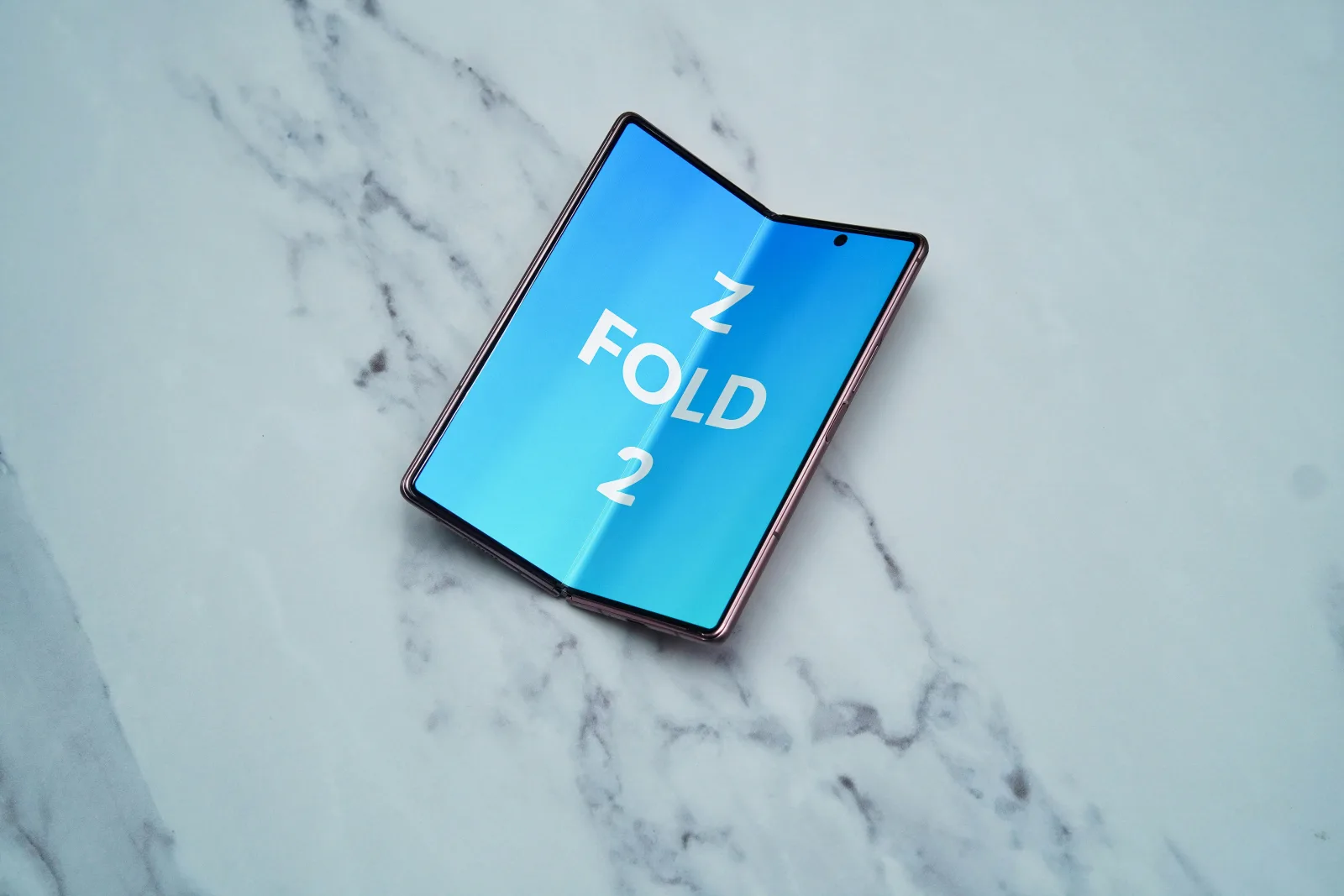
For years, the Achilles' heel of foldable smartphones and tablets was the visible and tactile crease running down the center of the flexible OLED panel. While early-generation foldables captured consumer imagination with their dual-screen utility, the imperfection of the folding crease remained a constant compromise. As we navigate through 2026, advances in material science, ultra-thin glass engineering, and innovative hinge mechanics have fundamentally shifted the landscape, bringing genuinely seamless, crease-free screens to the forefront of mobile technology.
1. Advanced Hinge Engineering and Waterdrop Mechanisms
The elimination of the display crease begins beneath the surface with sophisticated mechanical redesigns.
- Transitioning from tight U-shaped hinges to wide, waterdrop-style internal bending radii prevents the flexible panel from undergoing severe, sharp stress when closed.
- This teardrop architecture allows the display to roll gently into a larger cavity within the chassis, completely avoiding the harsh fold line that plagued older hardware.
- Modern titanium and carbon-composite alloy frames ensure these complex hinge assemblies remain lightweight yet structurally rigid against daily wear and tear.
Read Also: Navigating Global Smartphone Leaks and Flagship Specs: A Buyer's Guide
2. Ultra-Thin Glass and Multi-Layer Polymer Innovations
Material science breakthroughs in screen substrates have redefined durability and tactile uniformity.
- Manufacturers have perfected ultra-thin glass (UTG) layers combined with specialized shape-memory polymer matrices that absorb impact without retaining deformation memory.
- These multi-layer stack-ups distribute external pressure evenly across the entire surface area, preventing finger indentations and stylus fatigue over prolonged usage.
- Improved scratch-resistance coatings applied to the outer polymer layers now rival traditional slab smartphone glass in daily resilience.
3. Impact on Enterprise Productivity and Media Consumption
A uniform, unbroken display canvas fundamentally alters how users interact with portable workstation environments.
- Spreadsheet analysis, multi-window multitasking, and digital sketching benefit immensely from an uninterrupted writing surface that mimics traditional paper tablets.
- Media consumption feels truly immersive, as video playback and gaming graphics are no longer disrupted by light refraction running across a central groove.
- Enterprise adoption has accelerated significantly now that professional users can rely on a rugged, executive-class device that transitions effortlessly from a pocketable phone to a full-sized tablet.
Conclusion
The transition toward completely crease-free displays marks a mature turning point for the foldable gadget industry. By merging advanced mechanical engineering with resilient material science, manufacturers have successfully resolved the primary aesthetic and functional barrier of flexible screens, setting a new hardware benchmark for 2026 and beyond.
Sources:
- Global Display Technology and OLED Manufacturing Reports (2026)
- Mobile Hardware Engineering and Material Science Journals
About the Author / RuangTekno:
RuangTekno is a trusted news portal covering the latest in technology developments, gadget tips, and the digital world. Interested in collaborating, promoting your product, or placing a sponsored post on our site? Contact us via Email at [asalchannel08@gmail.com] or WhatsApp at [+6285178987249].
Tags:#FoldablePhones, #TechTrends2026, #OLEDDisplays, #GadgetReviews, #RuangTekno


Komentar 0
Belum ada komentar. Jadilah yang pertama berkomentar!