

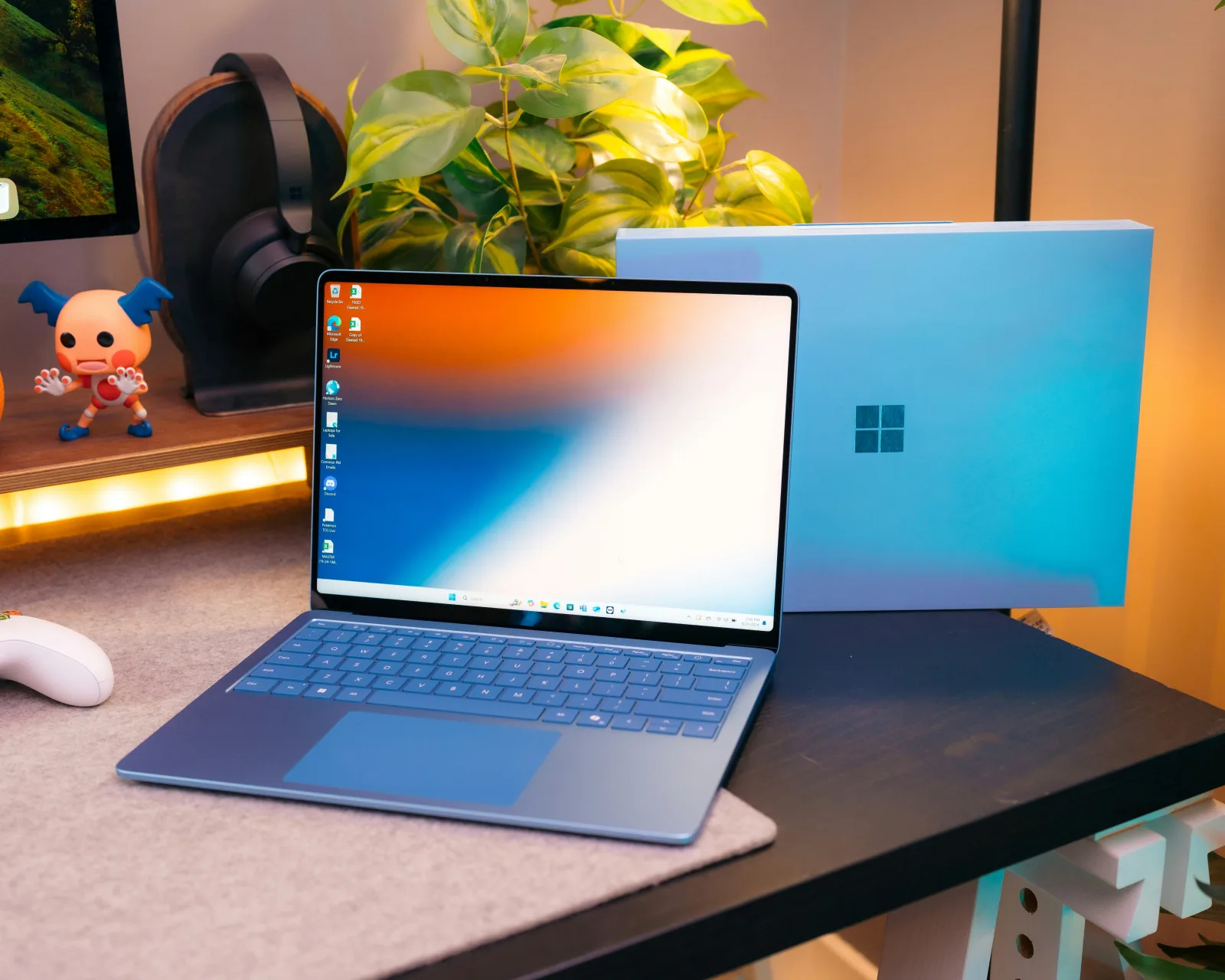
Microsoft continues to refine its flagship hardware lineup to meet the growing demands of modern AI workloads and high-performance computing. As power users demand desktop-class performance in mobile form factors, industry signals point toward a dedicated "Ultra" tier within the Surface ecosystem. The rumored Surface Laptop Ultra represents Microsoft's strategic answer to power-intensive workflows, targeting creative professionals, developers,
and enterprise users who require uncompromised processing headroom.
Next-Gen Silicon and Neural Processing Architecture
The defining characteristic of the Surface Laptop Ultra is its underlying silicon architecture. Designed to handle both sustained compute-heavy tasks and localized artificial intelligence models, the device is expected to leverage high-efficiency ARM-based architecture alongside enterprise-grade x86 options.
- Enhanced NPU Integration: A high-capacity Neural Processing Unit (NPU) dedicated to real-time generative tasks, advanced voice processing, and background system optimization without taxing the main CPU.
- Thermal Efficiency: An overhauled vapor chamber cooling system designed to prevent thermal throttling during prolonged video rendering, compilation, or machine learning workloads.
- Unified Memory Options: Configurations offering up to 64GB of unified memory to ensure smooth multitasking across complex creative suites and virtualization environments.
Display and Chassis Overhaul
Performance requires an equally capable interface, and Microsoft appears focused on delivering top-tier display technology. The Ultra lineup is expected to feature a higher refresh rate PixelSense Flow panel with anti-reflective properties and precision color calibration out of the box.
- OLED Technology: High-contrast OLED display options featuring deep blacks and HDR support tailored for photo and video editing.
- Dynamic Refresh Rates: Variable refresh rates up to 120Hz to balance battery longevity with fluid touch and pen responsiveness.
- Industrial Design: A lightweight magnesium-aluminum chassis that maintains structural rigidity while offering an expansive array of physical ports, including Thunderbolt 4 / USB4 connectivity.
Market Position and Competition
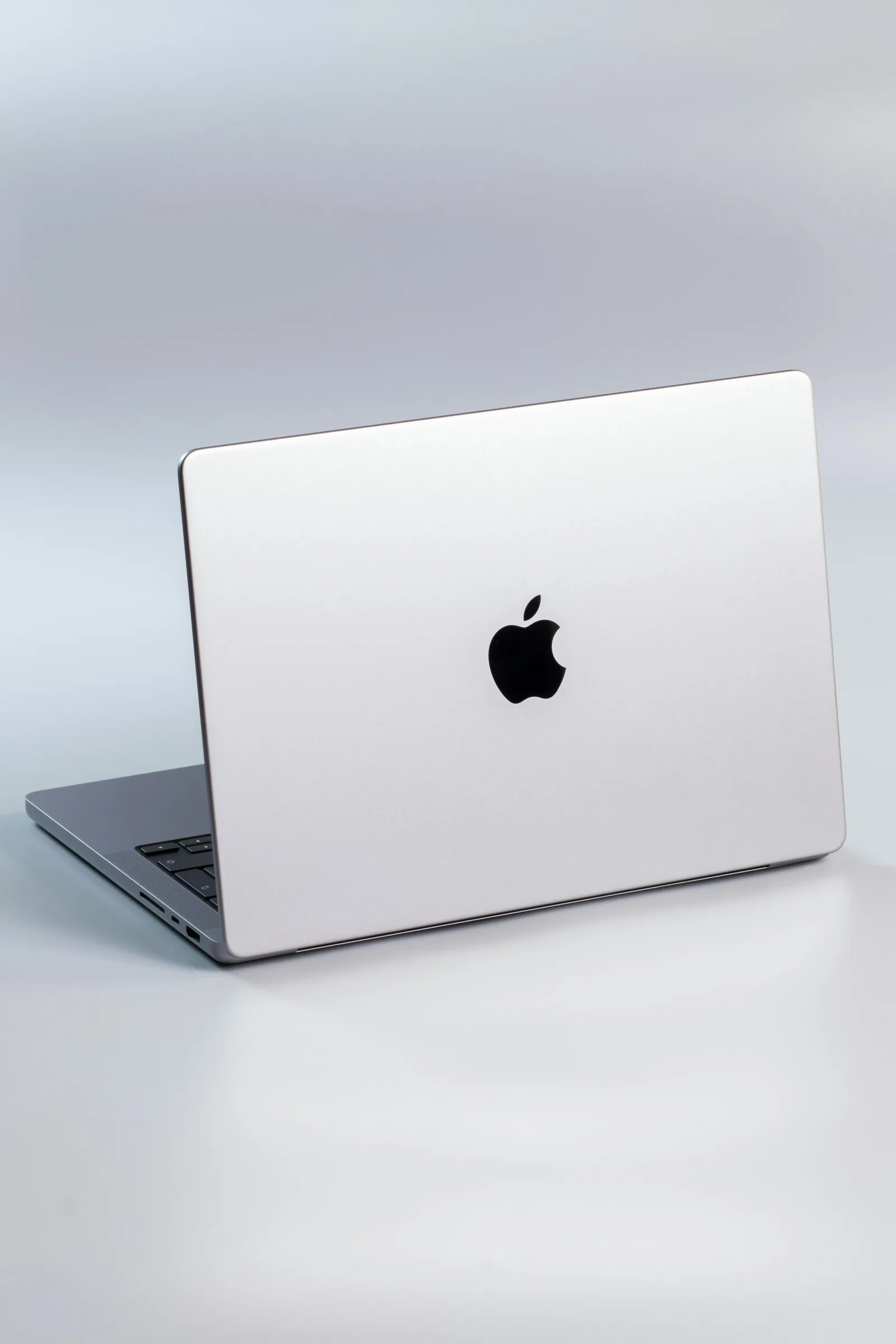
Positioned at the apex of the Surface family, the Surface Laptop Ultra directly addresses the premium workstation segment. By combining dedicated hardware acceleration for local AI processes with high-end thermal management, Microsoft is positioning this device as a direct alternative to the Apple MacBook Pro and high-end Windows workstations like the Dell XPS series. For enterprise deployments, integrated Pluton security processor support ensures hardware-level protection against emerging firmware vulnerabilities.
Conclusion
The Surface Laptop Ultra reflects a clear industry pivot toward specialized, AI-accelerated hardware. By pairing robust internal thermal design with advanced display technology and dedicated neural processing capabilities, Microsoft is laying the groundwork for a mobile machine capable of handling the most demanding software ecosystems of tomorrow.
Hashtags: #MicrosoftSurface #SurfaceLaptopUltra #TechNews #GadgetTrends #Windows11
Sources: Information compiled from industry supply chain data, Microsoft patent documentation, and official developer conference announcements.


Komentar 0
Belum ada komentar. Jadilah yang pertama berkomentar!