

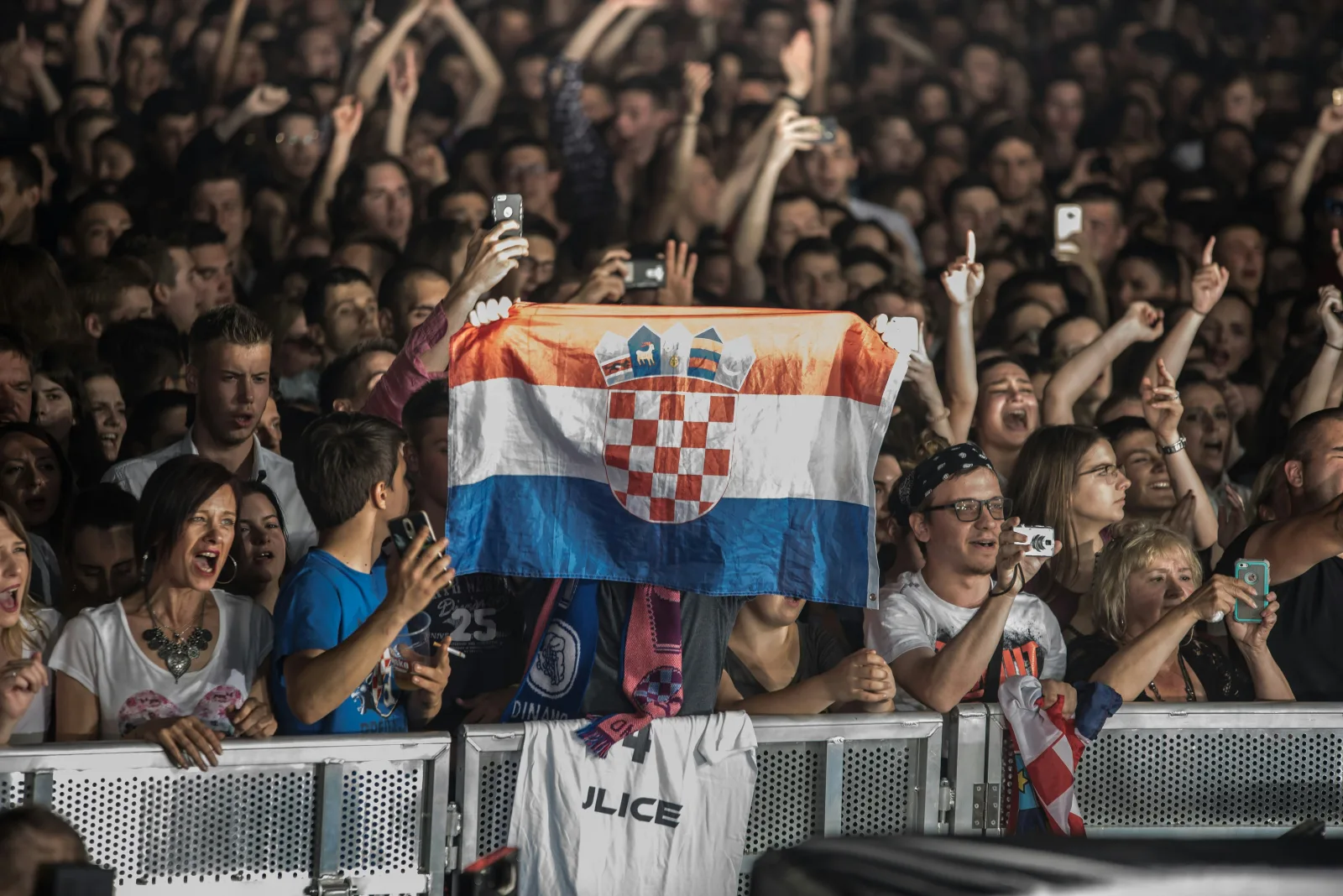
Encounters between Croatia and Spain consistently deliver high-stakes tactical chess matches filled with technical brilliance and fierce competitive spirit. Meeting at the iconic Poljud Stadium in Split for Group C of the UEFA Nations League, both squads showcased elite continental football philosophy. While Croatia struck first through veteran resilience, Spain's strategic substitutions and relentless ball retention ultimately unlocked a vital away victory.
1. Tactical Control and Midfield Dominance
The underlying narrative of the fixture centered on territorial control and clean passing sequences within the middle third.
- Spain commanded possession figures reaching 67 percent, leveraging the metronomic distribution of their central midfield unit to probe defensive blocks.
- Croatia countered with compact defensive shapes and swift transitions, forcing errors and capitalizing on direct forward entries.
- Midfield battles required immense defensive discipline, with both teams utilizing tactical fouls and structured blocks to disrupt rhythm in the half-spaces.
2. Individual Brilliance and Turning Points
When tactical stalemates threaten to neutralize open play, individual interventions often dictate the final outcome.
- Croatia drew first blood when veteran winger Ivan Perišić broke the deadlock in the 17th minute, electrifying the home crowd in Split.
- Spain responded dynamically after the interval, introducing Mikel Merino, who delivered a stellar performance by converting two crucial goals in the 60th and 88th minutes.
- Momentum shifted decisively when Croatia was reduced to ten men following a second yellow card shown to Perišić late in the second half, complicating their defensive resistance.
3. Broader Implications in Group C Standings
Securing three points away from home in a hostile environment serves as a massive milestone for reigning elite contenders in European competition.
- Navigating congested international fixture blocks requires deep squad rotation, a luxury that Spain utilized effectively through impact substitutes.
- For Croatia, the match highlighted areas for defensive adjustment during late-game scenarios when managing numerical disadvantages against high-pressing opponents.
- Such high-level group-stage encounters provide vital testing grounds for emerging talents and seasoned veterans alike as they eye tournament qualification milestones.
Conclusion
The clash between Croatia and Spain underlined the fine margins that define modern international football. Through tactical patience, clinical finishing from Mikel Merino, and sustained possession dominance, Spain clinched a hard-earned 2-1 victory, reinforcing their competitive pedigree on the European stage.
Sources:
- UEFA Nations League Official Match Reports and Group C Archives (2026)
- International Football Association Match Statistics
About the Author / RuangTekno:
RuangTekno is a trusted news portal covering the latest in technology developments, gadget tips, and the digital world. Interested in collaborating, promoting your product, or placing a sponsored post on our site? Contact us via Email at [asalchannel08@gmail.com] or WhatsApp at [+6285178987249].
Tags: #CroatiaVsSpain, #UEFANationsLeague, #FootballTactics, #SportsNews, #RuangTekno



Komentar 0
Belum ada komentar. Jadilah yang pertama berkomentar!