

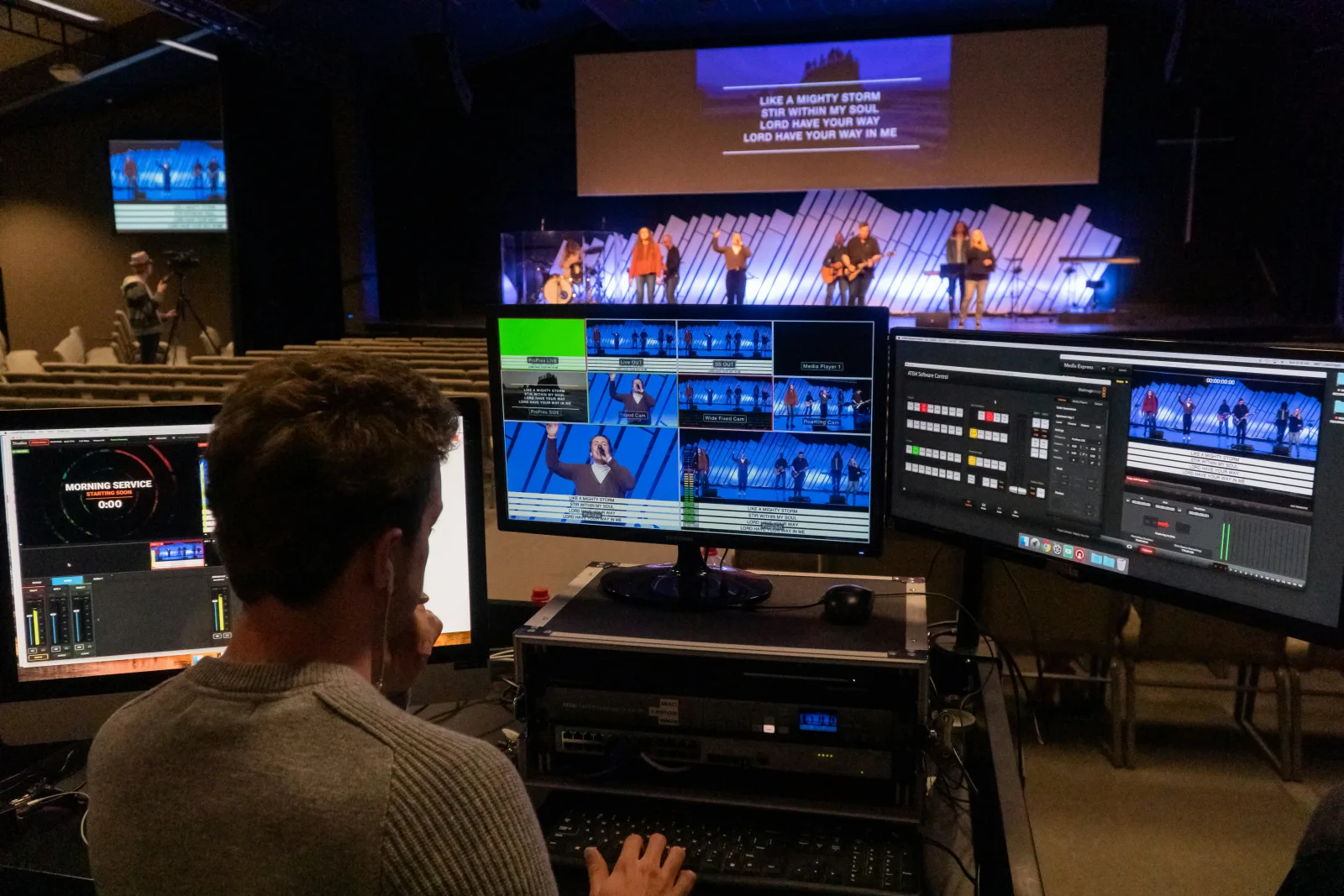
The traditional model of mass network broadcasting—built on broad public airwaves, open cable grids, and universal satellite distribution—is undergoing a profound transformation. In an era dominated by hyper-targeted content and rigorous intellectual property protection, organizations, enterprises, and independent media creators are shifting toward exclusive internal broadcasts. This architectural pivot allows content producers to retain absolute control over distribution channels, safeguard sensitive corporate or creative assets, and deliver tailored streams directly to
curated audiences without relying on legacy broadcasting conglomerates.
1. Security Protocols and Content Monetization Control
Protecting digital assets from unauthorized redistribution remains a primary operational challenge for modern content creators.
- Exclusive internal distribution networks employ robust end-to-end encryption and secure token authentication, preventing unauthorized third-party scraping or public re-streaming.
- Creators maintain direct financial relationships with their audiences, eliminating intermediary revenue cuts imposed by traditional commercial networks and broad syndication partners.
- Granular access controls ensure that proprietary technical seminars, corporate updates, or premium serialized media reach only verified subscribers and authorized internal stakeholders.
Read Also: Next-Gen Foldable Gadgets: Why Crease-Free Screens Are Taking Over in 2026
2. Infrastructure Scalability and Latency Optimization
Delivering high-definition video feeds requires architectural frameworks that outperform legacy broadcast limitations.
- Traditional network broadcasting suffers from rigid scheduling and high fixed bandwidth costs, whereas modern internal streaming leverages cloud-native Content Delivery Networks (CDNs) for elastic scalability.
- Dedicated internal pipelines significantly reduce glass-to-glass latency, ensuring real-time synchronization during live interactive broadcasts or global corporate announcements.
- Adaptive bitrate protocols automatically adjust stream quality based on individual viewer connection metrics, preventing buffering bottlenecks common in legacy broadcast transmissions.
3. Data Analytics and Audience Insights Integration
Understanding viewer behavior is crucial for optimizing digital content strategy and maximizing engagement metrics.
- Closed internal broadcasting environments capture precise, privacy-compliant telemetry regarding viewer retention, drop-off timestamps, and interactive engagement spikes.
- Unlike traditional television ratings that rely on generalized sample groups, internal platforms provide exact, real-time data dashboards for every registered participant.
- Creators use these deep analytical insights to refine narrative pacing, adjust broadcast schedules, and tailor subsequent content offerings to specific audience segments.
Conclusion
The divergence between exclusive internal broadcasts and traditional network broadcasting highlights a broader industry shift toward targeted control and technical efficiency. While legacy networks continue to serve mass-market entertainment, private and internal broadcast ecosystems provide unmatched security, precise data analytics, and superior scalability for modern digital media creators.
Sources:
- Global Digital Broadcasting and Streaming Infrastructure Reports (2026)
- Enterprise Media Distribution and Content Security Standards
About the Author / RuangTekno:
RuangTekno is a trusted news portal covering the latest in technology developments, gadget tips, and the digital world. Interested in collaborating, promoting your product, or placing a sponsored post on our site? Contact us via Email at [asalchannel08@gmail.com] or WhatsApp at [+6285178987249].
Tags: #BroadcastingTech, #DigitalMedia, #ContentSecurity, #StreamingInfrastructure, #RuangTekno





Komentar 0
Belum ada komentar. Jadilah yang pertama berkomentar!