

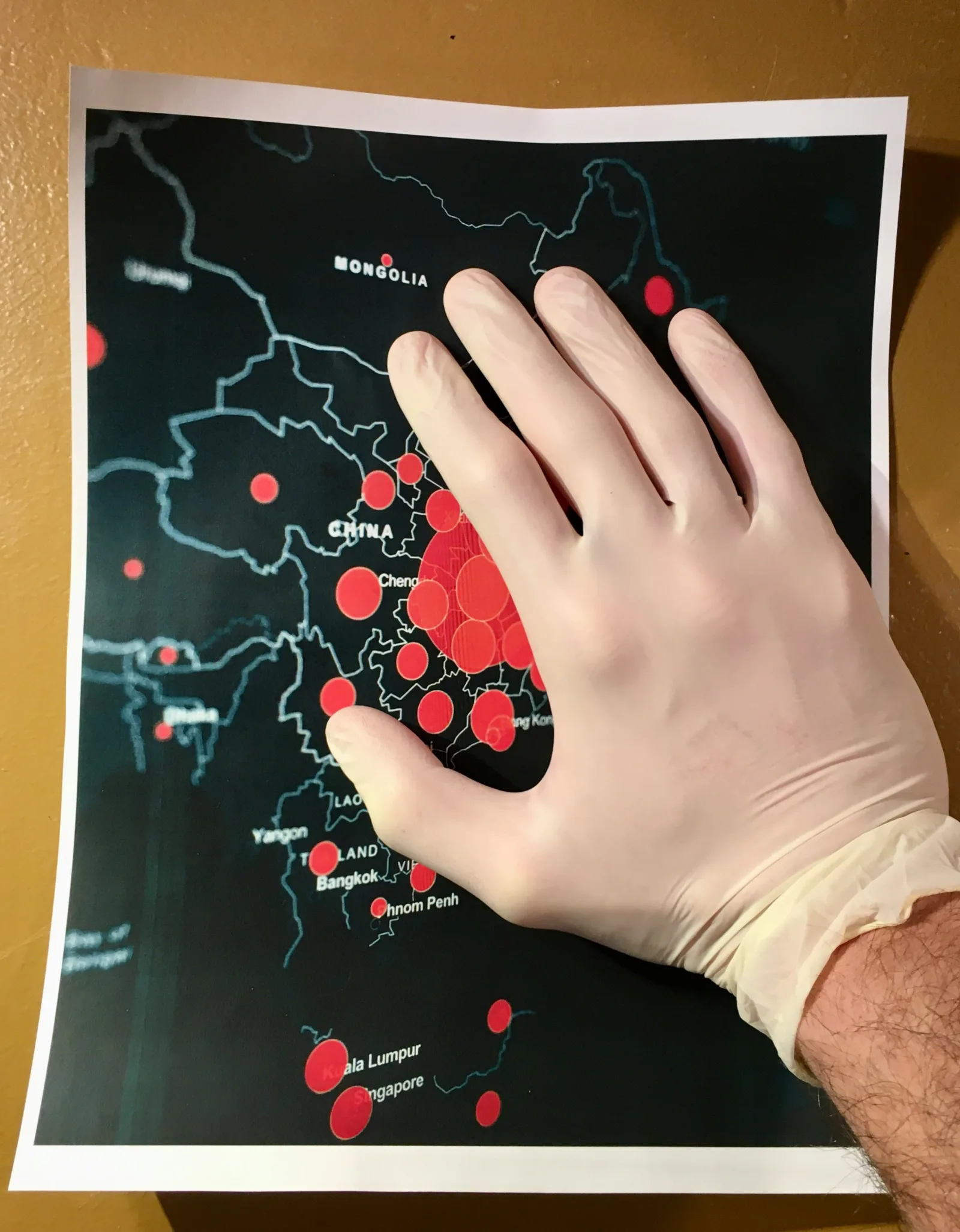
Understanding the mechanics of historical epidemics provides crucial perspective on modern biosecurity and infectious disease monitoring. The Russian plague outbreak—most notably the catastrophic epidemic of 1770–1772 in Moscow—stands as one of the most significant demographic and social disruptions in Eurasian history. Caused by the bacterium Yersinia pestis, the outbreak demonstrated how war, trade routes, and delayed public health measures can accelerate the spread of vector-borne pathogens.
Evaluating how Yersinia pestis operates—from its natural reservoir in wild rodent populations to its progression in human hosts—allows epidemiologists and health security analysts to contextualize both historical outbreaks and modern laboratory protocols designed to mitigate biological risks.
Historical Context: The 1770–1772 Moscow Plague Epidemic
The Russian plague outbreak of the 18th century emerged during the Russo-Turkish War, carried along military supply lines and trade networks from the Moldavian front into central Russia. By the time the pathogen breached Moscow in late 1770, high population density and inadequate initial quarantine enforcement led to rapid urban transmission.
                     [ 1770–1772 MOSCOW PLAGUE TRANSMISSION PATHWAY ]

   Russo-Turkish Front          Trade & Supply Lines           Urban Moscow
 +----------------------+      +--------------------+      +-------------------+
 | - Troop movements    | ---> | - Unscreened cargo | ---> | - High density    |
 | - Moldavian foci     |      | - Transport routes |      | - Delayed response|
 +----------------------+      +--------------------+      +---------+---------+
                                                                     |
                                                                     v
                                                            [ MAJOR OUTBREAK ]
                                                           Plague Riot (1771)
At its peak in late 1771, the epidemic claimed thousands of lives daily, causing complete economic paralysis and triggering the Moscow Plague Riot of 1771. The crisis was eventually contained through decisive administrative measures, including the establishment of strict quarantine zones, forced isolation of infected individuals, and the creation of new designated burial sites outside the historic city boundaries.
Bacteriology and Pathogenesis: How Yersinia Pestis Affects the Human Body
The underlying cause of plague outbreaks is Yersinia pestis, a Gram-negative, rod-shaped coccobacillus. In natural ecosystems, the bacteria persist in wild rodent reservoirs (such as marmots, ground squirrels, and rats) and are primary transmitted via flea vectors.
                                +---------------------------+
                                |  Yersinia pestis Infection|
                                +-------------+-------------+
                                              |
                   +--------------------------+--------------------------+
                   |                                                     |
       +-----------v-----------+                             +-----------v-----------+
       |     Bubonic Plague    |                             |    Pneumonic Plague   |
       | - Flea vector bite    |                             | - Airborne droplets   |
       | - Swollen lymph nodes |                             | - Direct lung infection|
       | - 30%–60% mortality   |                             | - ~100% mortality     |
       |   (untreated)         |                             |   (untreated)         |
       +-----------------------+                             +-----------------------+
Pathological progression depends on the route of exposure:
- Bubonic Plague: The most common form, occurring when an infected flea bites a human. The bacteria travel through the lymphatic system to the nearest lymph nodes, causing severe inflammation and painful swellings known as "buboes".
- Septicemic Plague: Occurs when the bacteria enter directly into the bloodstream, leading to tissue necrosis, rapid organ failure, and systemic shock.
- Pneumonic Plague: The most severe and contagious form, occurring when Y. pestis infects the lungs. It can spread from person to person via respiratory droplets, carrying a near 100% mortality rate if antibiotic intervention is not administered rapidly.
Modern Disease Surveillance and Biosafety Containment
Unlike during the 18th century, Yersinia pestis is no longer an untreatable threat. Modern medical protocols rely on early diagnosis and standard antibiotic regimens—such as streptomycin, gentamicin, or doxycycline—which dramatically reduce mortality when administered early.
FeatureHistorical Outbreaks (18th Century)Modern Epidemiological FrameworkPrimary TreatmentIsolation, ineffective herbal remediesEarly-stage intravenous/oral antibioticsTransmission TrackingPost-outbreak observationActive reservoir monitoring in endemic zonesContainment ProtocolsBasic military cordons, delayed quarantinesBiosafety Level 3 (BSL-3) containment facilitiesFatality Rate (Bubonic)50% – 70%Under 10% with prompt antibiotic therapy
Because Y. pestis remains endemic in natural animal populations across parts of Central Asia, Siberia, Africa, and North America, specialized research institutes maintain strict Biosafety Level 3 (BSL-3) protocols. These specialized facilities monitor natural disease foci, conduct environmental sampling, and maintain rapid-response capabilities to prevent zoonotic spillovers into human populations.
Conclusion
The historical lessons of the Russian plague outbreak highlight the vital importance of early transparent reporting, robust health infrastructure, and stringent containment protocols. While Yersinia pestis remains present in natural wild reservoirs around the globe, modern diagnostic tools, antibiotic treatments, and specialized biosafety research ensure that localized occurrences can be swiftly isolated before reaching epidemic proportions.
References & Sources:
- World Health Organization (WHO) – Global Plague Epidemiology & Vector Surveillance Guidelines
- Journal of Historical Epidemiology – The 1770–1772 Moscow Plague Analysis
- Centers for Disease Control and Prevention (CDC) – Yersinia pestis Clinical Diagnosis and Antibiotic Protocols
About the Author / RuangTekno:
RuangTekno is a trusted news portal covering the latest in technology developments, gadget tips, and the digital world. Interested in collaborating, promoting your product, or placing a sponsored post on our site? Contact us via Email at [asalchannel08@gmail.com] or WhatsApp at [+6285178987249].
Tags: #BubonicPlague #YersiniaPestis #Epidemiology #PublicHealth #HistoryOfMedicine #RuangTekno #HealthSecurity




Komentar 0
Belum ada komentar. Jadilah yang pertama berkomentar!