

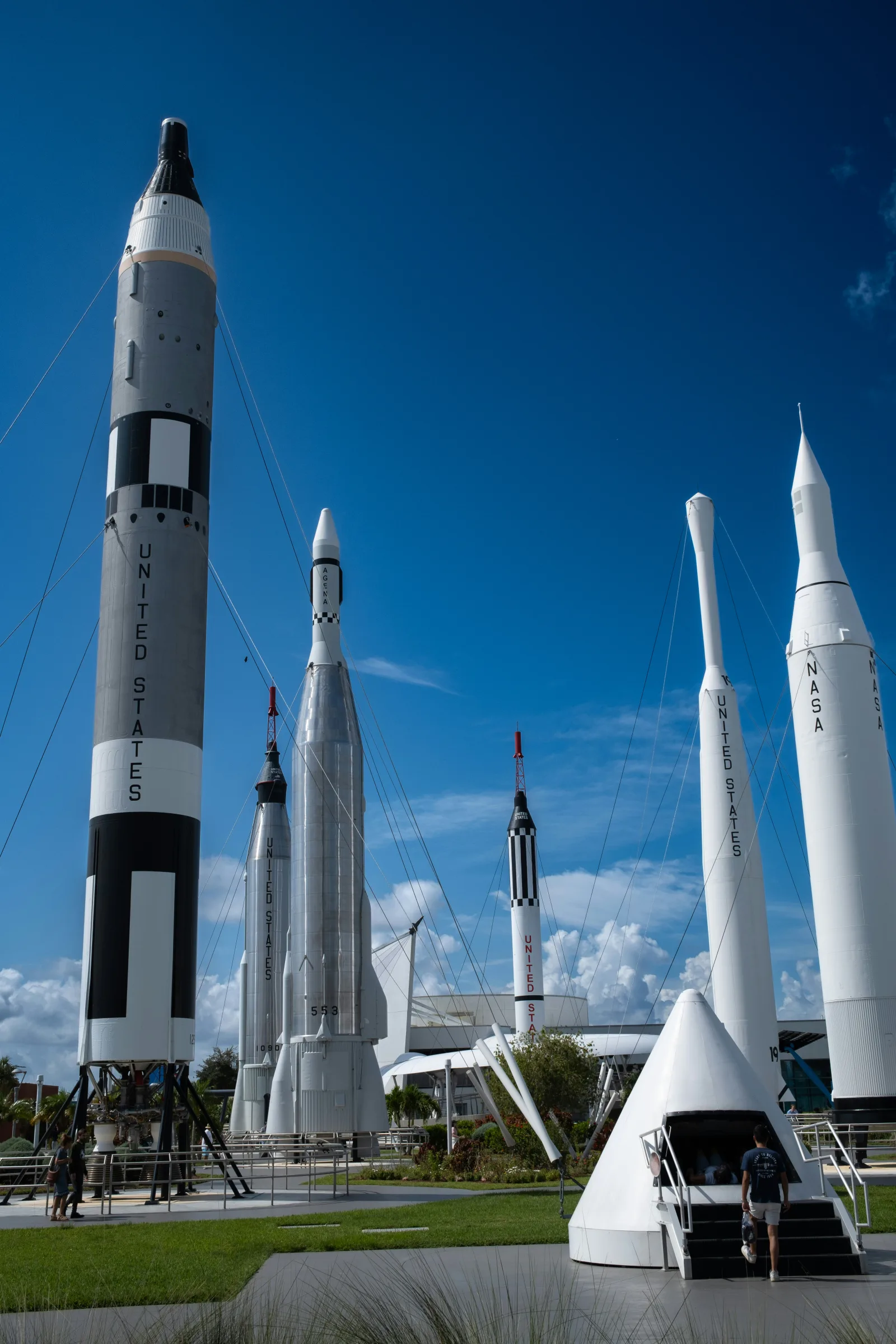
World Space Week, officially celebrated globally from October 4 to October 10, marks crucial milestones in human space exploration history, spanning from the historic launch of Sputnik 1 in 1957 to modern orbital achievements. Under this year’s official theme, "Rocket Revolution", the international scientific community is focusing heavily on how rapid advancements in propulsion, reusable boosters, and private aerospace engineering are reshaping humanity’s pathway to the stars.
1. The Shift Toward Reusable Boosters and Lower Costs
Traditional spaceflight historically relied on single-use hardware that rendered orbital missions financially staggering and structurally complex.
- Modern aerospace engineering has redefined launch economics through fully and partially reusable rocket boosters that return safely to Earth after payload deployment.
- These innovations have driven down the cost per kilogram of payload mass sent into orbit, making space far more accessible for commercial enterprises and research institutions.
- Streamlined turnaround times between launches are establishing a fast-paced cadence that previous generations of space agencies deemed impossible.
Read Also: Indonesia's FIFA Ranking: Analyzing Skuad Garuda's Position After Winning the 2026 FIFA ASEAN Cup
2. Commercialization and Private Sector Expansion
The democratization of space is no longer driven solely by national government programs and traditional state-backed space agencies.
- Private commercial launch providers, independent startups, and global enterprises now play a central role in designing next-generation launch vehicles.
- This corporate-academic collaboration has fostered rapid technological prototyping, encouraging smaller entities to deploy experimental payloads and communication constellations.
- Global educational initiatives during World Space Week leverage this commercial shift to inspire students, introducing them to aerospace engineering through hands-on STEM toolkits and rocketry workshops.
3. Environmental Considerations and Sustainable Orbital Operations
As the frequency of rocket launches accelerates worldwide, managing the ecological and orbital footprint of space activity becomes critical.
- Regulatory bodies and private operators are increasingly prioritizing cleaner propellant alternatives and strategies to minimize upper-atmosphere emissions.
- Mitigating orbital debris through targeted de-orbiting mechanisms ensures that the rapid surge in commercial launches does not compromise long-term space traffic safety.
- Sustainable design principles are now embedded directly into the engineering pipelines of modern reusable spacecraft manufacturing.
Conclusion
World Space Week 2026 serves as a timely reminder of how far aerospace technology has evolved since the dawn of the space age. By spotlighting the "Rocket Revolution," the global community acknowledges the profound economic, scientific, and structural changes brought by reusable launch vehicles, setting a solid foundation for humanity's next giant leaps in space exploration.
Sources:
- United Nations Office for Outer Space Affairs (UNOOSA) and World Space Week Association Reports (2026)
- Global Aerospace Engineering and Commercial Spaceflight Journals
About the Author / RuangTekno:
RuangTekno is a trusted news portal covering the latest in technology developments, gadget tips, and the digital world. Interested in collaborating, promoting your product, or placing a sponsored post on our site? Contact us via Email at [asalchannel08@gmail.com] or WhatsApp at [+6285178987249].
Tags: #WorldSpaceWeek2026, #RocketRevolution, #SpaceExploration, #AerospaceTech, #RuangTekno



Komentar 0
Belum ada komentar. Jadilah yang pertama berkomentar!